
Latest Press: After a wet winter, Sea2Soil urges growers to prioritise soil checks and gentle spring recovery
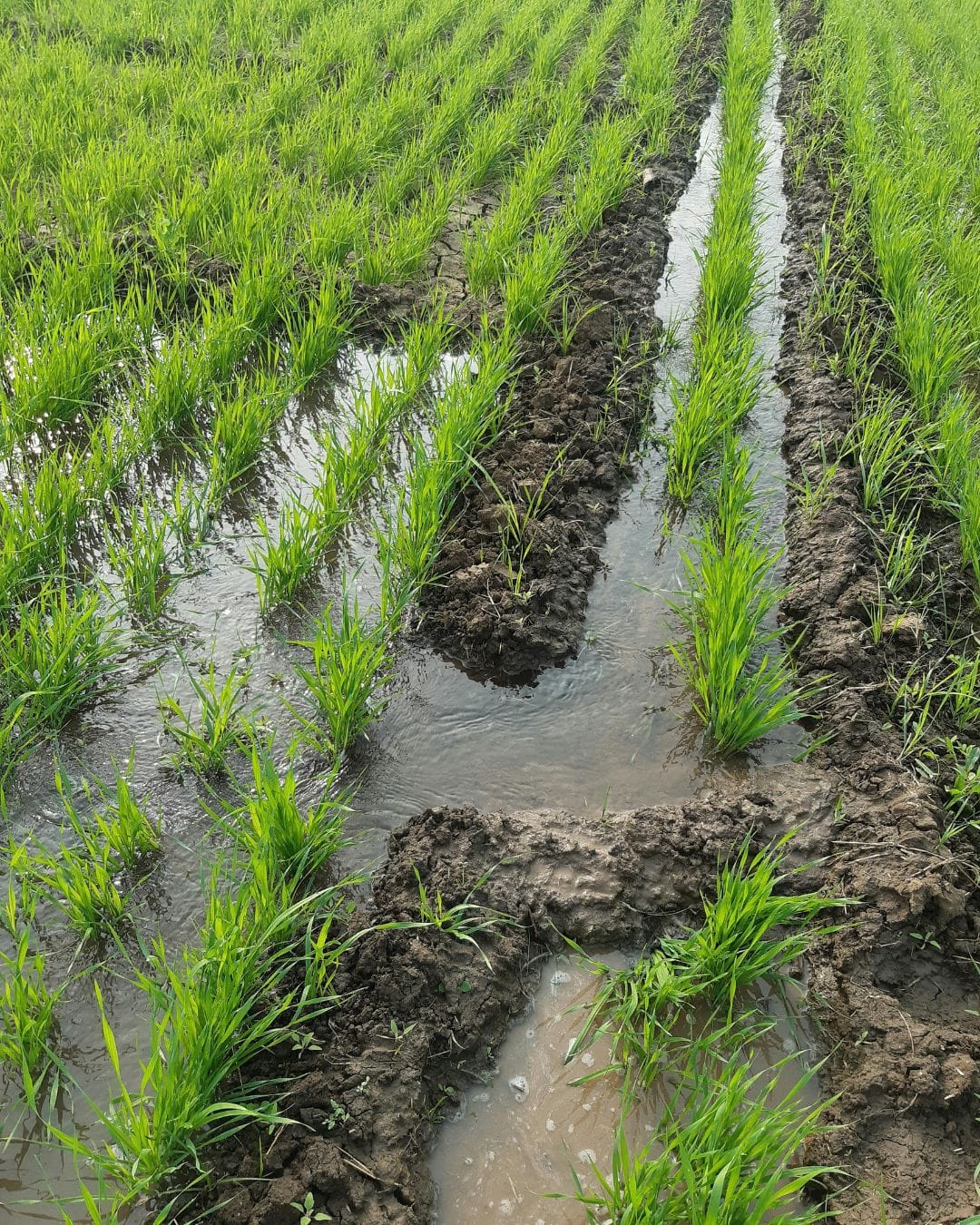
Following a persistently wet start to the year in parts of the UK, growers are being reminded that the impact of prolonged saturation is often felt long after surface water disappears. Waterlogged soils can suppress root function, disrupt nutrient cycling and stall early crop growth, with some crops at risk where flooding has persisted for extended periods.
Alongside the Met Office - which has reported that certain areas of the South-west have experienced rainfall every single day of the year in 2026 (up until mid-February), Northern Ireland has also been reported as experiencing the wettest start to a year since records began, while many areas of Southern England, the Midlands and Wales have seen significant problems caused by recent persistent rainfall this year and extreme weather - recent commentary from Eurofins Agro UK, has underlined the importance of assessment once fields dry sufficiently.
In an article published earlier this month in Agronomist & Arable Farmer, Shane Brewer from Eurofins Agro UK stated that more soil testing is needed to ascertain soil condition following high rainfall experienced throughout most of the UK this winter and that waterlogged crops or crops trapped under flood water for more than 15 days could be lost. Eurofins also noted that the longer-term damage to soil health can only be assessed and determined by soil testing once the flooding or any surface water has subsided.
What waterlogging can change beneath the surface
While visual symptoms above ground can be obvious, the most significant shifts often occur within the soil biology and structure:
- Reduced oxygen and slower nutrient uptake: When soils become saturated, roots struggle to take up nutrients effectively, and germination can be impaired in spring-drilled crops.
- A shift in soil biology: Aerobic microbes decline in low-oxygen conditions, while anaerobic activity increases. This can change how nutrients are released and increase the likelihood of poor establishment and uneven growth.
- Fewer earthworms and weaker structure: Earthworms may move away from saturated zones or die back, reducing natural aeration and aggregation at a time when soils need resilience.
A spring reset starts with prioritising soil health
As travel becomes possible, advisers are encouraging growers to take a measured approach before “fixing” fields by habit. Soil assessments and testing can help growers identify the levels of bacteria, fungi and protozoa in soil, a vital indication of whether the priority is restoring nutrient availability, supporting microbial recovery, improving structure and friability, or reducing crop stress while growth resumes.
Where nutrient-rich topsoil has been lost through run-off or surface water, growers may need to revisit early-season nutrition plans, especially on lighter or more vulnerable land. This is where early application of soil improvers, including Sea2Soil, can put vital nutrients back into the soil, improving soil condition, helping early crop nutrition, and also improving soil health and resilience.
Avoiding compaction: the problem that can linger all year
Compaction risk is heightened when machinery travels on saturated ground, particularly ahead of spring cultivations, herbicide passes or early fertiliser applications. Compacted zones reduce pore space and infiltration, increasing run-off and nutrient loss during subsequent rainfall.
Industry guidance remains consistent: wait until conditions allow, minimise axle loads where possible and consider targeted alleviation only when soils are dry enough to shatter rather than smear.
Supporting biology as part of spring recovery
As growers assess the impacts caused by wet or waterlogged fields this spring, some are looking at biologically supportive inputs and soil conditioners alongside testing and careful field traffic management. Fish hydrolysate-based soil improvers are one example, supplying organic compounds such as amino acids that may support microbial activity and soil conditioning in stressed situations.
Sea2Soil is one such product, used across a range of farming systems. The company says the aim is to support the soil microbiome as well as the crop, contributing to improved structure and resilience over time. Success isn’t always something you can see, but it certainly starts in the soil.
*Growers should always follow label guidance, seek independent advice where needed and avoid applying any product to saturated, flooded or unsuitable conditions.